HHarbourside Regional Council

♡ 42 8
Social media archiving for NSW government
Brolly automatically captures supported posts, comments, edits and deletions from connected official accounts, helping your team find and export records with their metadata and an audit trail intact.
The GIPA Act's 'agency' includes a local authority — a council, county council or joint organisation (Sch 4 cl 1).
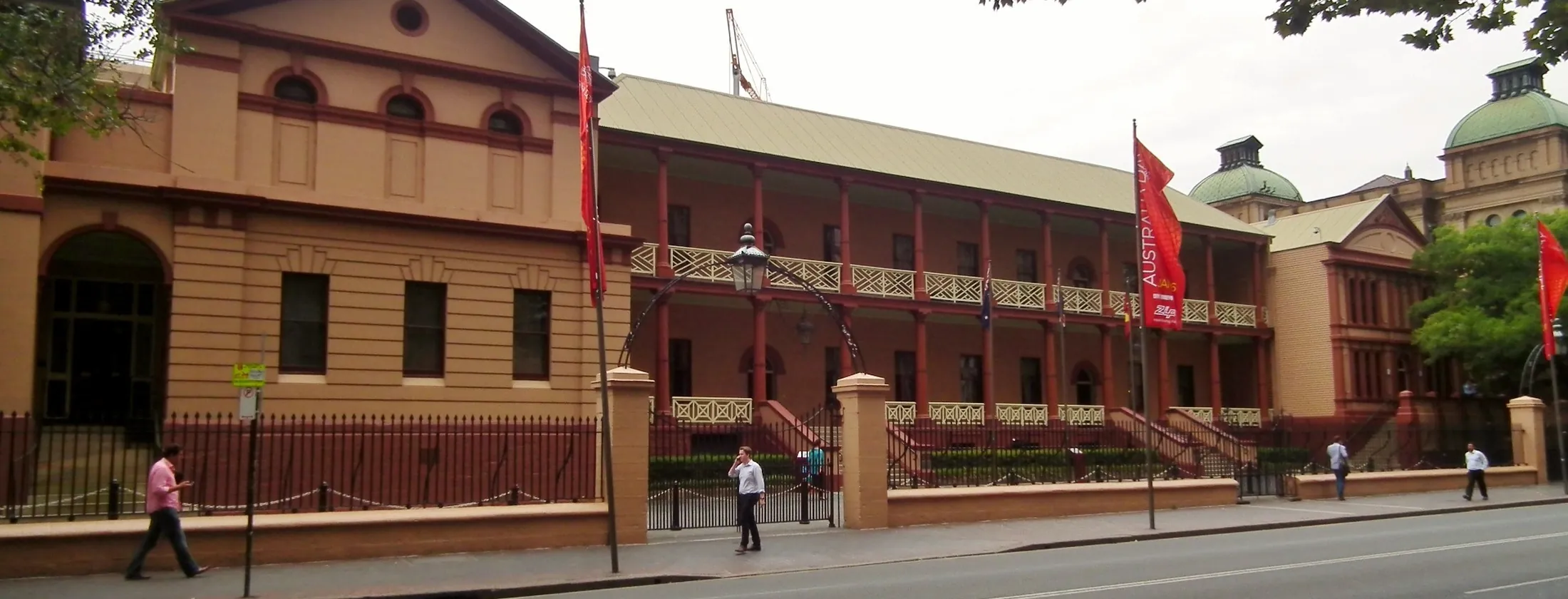
NSW organisations that use Brolly
























The records Act, the access regime, retention and disposal, and the authority that oversees them — each named from the legislation and linked to its source.
Public offices must make and keep full and accurate records of their activities and keep them in accessible form for as long as they are required. Records may only be disposed of under an authorised retention and disposal authority. State Records Act 1998 No 17
Within five working days after receiving an access application, an agency must acknowledge a valid application or notify the applicant that it is invalid (s 51). The agency must then decide the application and give notice of the decision within 20 working days after receipt (s 57) — the five-day stage sits inside that period, not before it. The period can extend by up to 10 working days for third-party consultation or retrieval from archives (15 if both apply), with further extension by agreement. Request term: GIPA application · Government Information (Public Access) Act 2009 (NSW)
FA450 for local government functions, together with GA28 for applicable common administrative records. Retention periods depend on the function the record documents, not the channel it was made on. Social media records follow the same authority as the business activity they evidence. Retention and disposal authorities
State Records NSW · Social media recordkeeping FAQOversight: Information and Privacy Commission NSW
Your organisation determines what must be captured and how long it is kept by applying the relevant authority, record class, business context and legal holds. Sources last reviewed 30 August 2026.This page provides general information only and is not legal advice. Your organisation is responsible for determining its legal, regulatory, retention and disposal obligations.
The optional fine print: what New South Wales law says when records are mishandled, and how the rules have been applied. Disposal done under your authority is routine; this layer is about disposal done without one.
 BrollyFree guide · PDF
The NSW edition, written for records and communications teams in New South Wales government.
PDF · free · delivered on the guide page
State Records NSW confirms that social media information falls within the State Records Act's definition of a record, while capture and retention remain risk- and value-based.
Paraphrase of current guidance — State Records NSW — read the guidance
Councils are public offices under the State Records Act. Communications created or received by councillors in the course of council business may be State records and should be managed under the council's recordkeeping policies and applicable authorities.

Brolly connects to Facebook, Instagram, Threads, X, YouTube, LinkedIn and TikTok and captures supported posts, comments, replies, edits and deletions with available metadata, and every export carries a digital checksum. Coverage varies by platform and depends on the content and metadata made available through platform APIs. That helps you meet the recordkeeping expectations set by State Records NSW.
Water supply interruption in Willowdale Heights. Crews are on site; estimated restoration 11:30 am 2:30 pm.
Interface reconstruction · fictional demonstration data
Comments on official accounts can be subject to the State Records Act 1998 (NSW) just like the posts above them, and the harmful ones arrive at any hour. Brolly Protect hides scams, abuse and personal attacks on connected accounts around the clock, while the archive keeps the original comment, the action taken and the time. Moderation never has to mean deletion.
Congratulations! You won — claim your prize here…
Moderation on the recordInterface reconstruction · fictional demonstration data
This interface reconstruction uses a fictional council, Willowdale Council, and a flood road closure on 7 March 2026. It shows how the original notice, each edited version and the community replies around it can be reviewed together.
An official account posts a road closure notice with an estimated reopening time.
The reopening time and the cause are updated as contractors confirm them.
Records, comms and the information-access officer can see the whole chronology, and export it.
Captured posts and conversations from connected accounts
 Willowdale Council
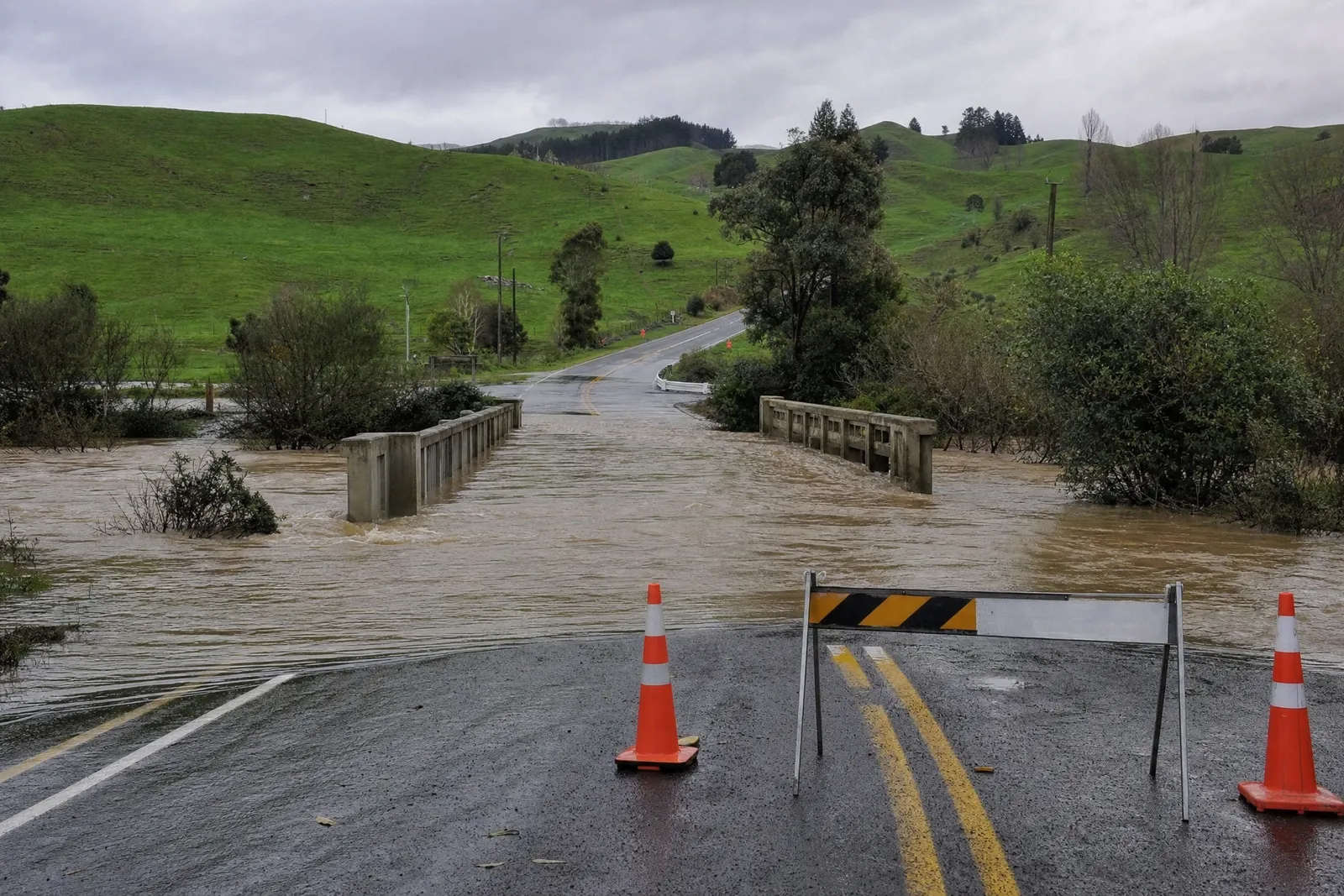 Willowdale Council
Source: State Records Act 1998 (NSW) · State Records NSW: Social media recordkeeping FAQ
Source: Government Information (Public Access) Act 2009 (NSW) · Information and Privacy Commission NSW
Source: State Records Act 1998 (NSW) · State Records NSW: Social media recordkeeping FAQ
Source: State Records Act 1998 (NSW) · State Records NSW: Social media recordkeeping FAQ
Source: Government Information (Public Access) Act 2009 (NSW) · Information and Privacy Commission NSW
See capture, search and export on your own NSW channels in a 20-minute walkthrough. Records teams welcome.
Get a demo
Pick a time that suits you — we'll walk through capture, search and export on your own channels.