HHarbourside Regional Council

♡ 42 8
Social media archiving for New Zealand government
Brolly automatically captures supported posts, comments, edits and deletions from connected official accounts, helping your team find and export records with their metadata and an audit trail intact.
Central government answers under the OIA; councils and other local authorities answer under the separate LGOIMA — the two Acts do not share a working-day calendar.
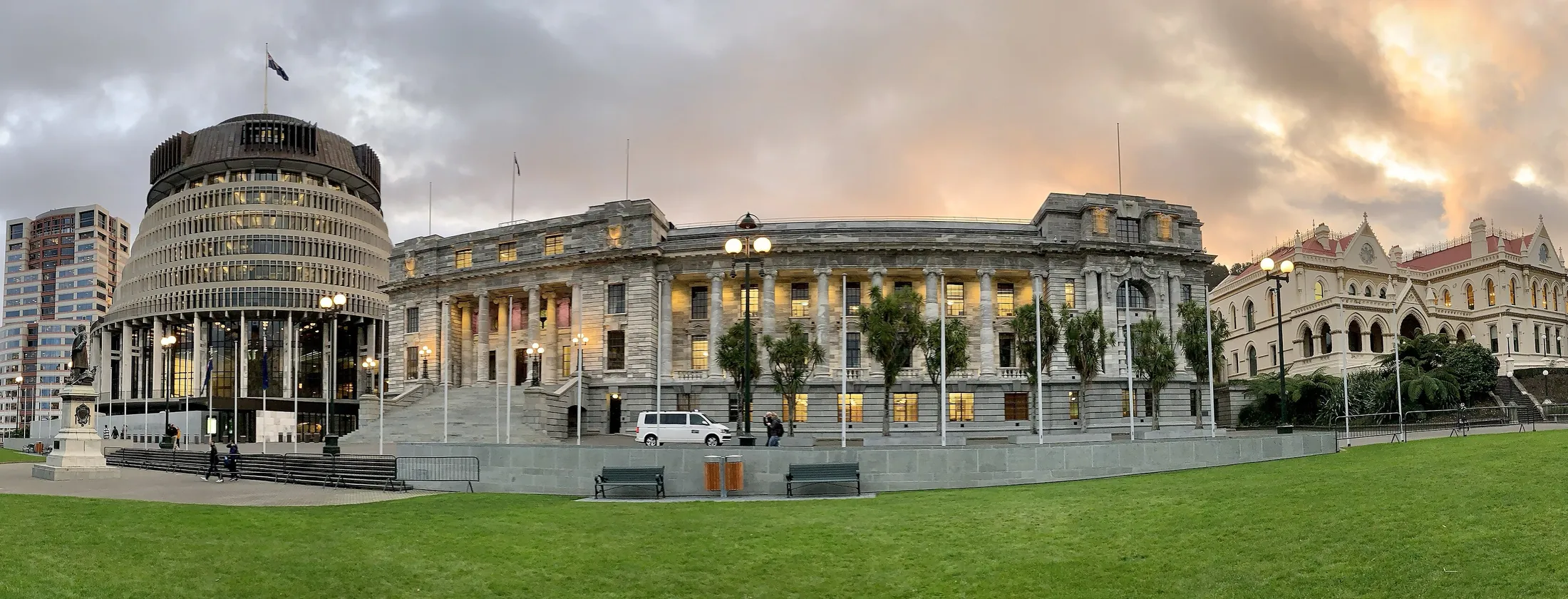
NZ organisations that use Brolly






The records Act, the access regime, retention and disposal, and the authority that oversees them — each named from the legislation and linked to its source.
Public offices and local authorities must create and maintain full and accurate records of their affairs in accordance with normal, prudent business practice, and may only dispose of them with the authority of the Chief Archivist. Archives New Zealand sets the Information and Records Management Standard they must follow. Public Records Act 2005 No 40
Central government decides requests under the OIA; councils and other local authorities answer under the separate LGOIMA. Under both Acts, the agency must decide the request and give notice of that decision as soon as reasonably practicable and no later than 20 working days after the day the request is received, with a reasonable extension available for large or consultation-heavy requests. Information the agency decides to release must then be made available without undue delay — undue delay is treated as a refusal. The two Acts count working days differently: LGOIMA excludes the relevant provincial anniversary day and runs its summer exclusion from 20 December to 10 January, while the OIA's runs from 25 December to 15 January. The Office of the Ombudsman investigates complaints under both Acts. Request term: official information request · Official Information Act 1982 (NZ) · LGOIMA 1987 (local authorities)
GDA6 for common corporate information, GDA7 for facilitative, transitory and short-term information. Public offices must use the general disposal authorities for common, non-core information. Local authorities may use them as best-practice guidance, subject to the statutory disposal process for protected local authority records. Core business records may require a specific or sector-based authority. Retention and disposal authorities
Archives New Zealand (Te Rua Mahara o te Kāwanatanga) · Text messages and other communications guidanceOversight: Office of the Ombudsman (Tari o te Kaitiaki Mana Tangata)
Your organisation determines what must be captured and how long it is kept by applying the relevant authority, record class, business context and legal holds. Sources last reviewed 30 August 2026.This page provides general information only and is not legal advice. Your organisation is responsible for determining its legal, regulatory, retention and disposal obligations.
The optional fine print: what New Zealand law says when records are mishandled, and how the rules have been applied. Disposal done under your authority is routine; this layer is about disposal done without one.
 BrollyFree guide · PDF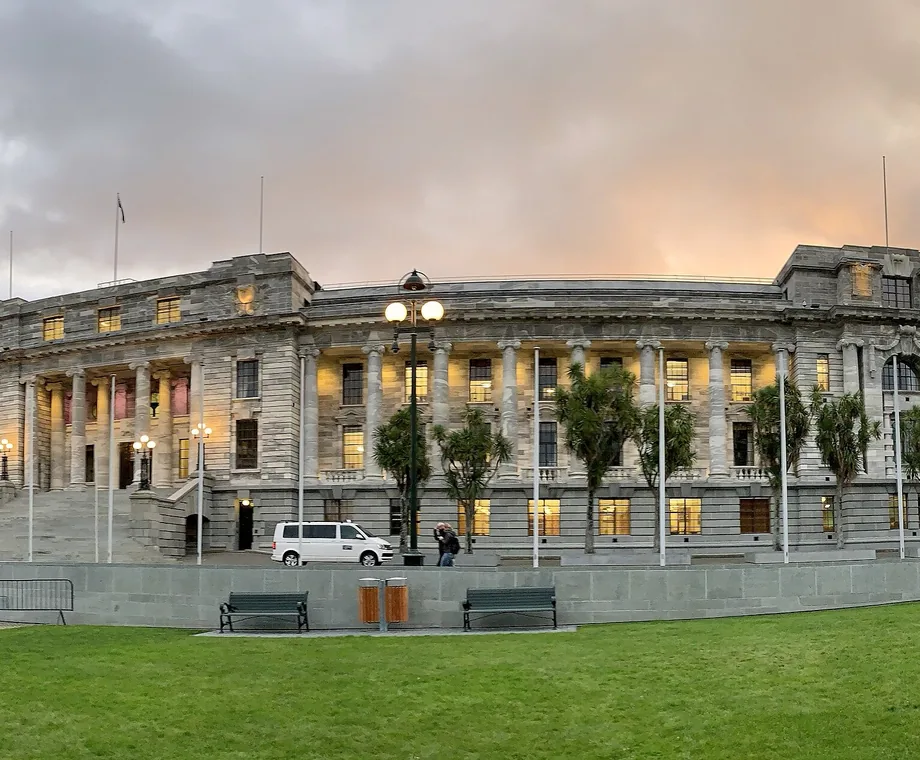
The NZ edition, written for records and communications teams in New Zealand government.
PDF · free · delivered on the guide page
Archives New Zealand’s guidance states that electronic communications used to conduct public business, including social media, are records under the Public Records Act 2005 and must be managed accordingly.
Paraphrase of current guidance — Archives New Zealand — read the guidance
Brolly connects to Facebook, Instagram, Threads, X, YouTube, LinkedIn and TikTok and captures supported posts, comments, replies, edits and deletions with available metadata, and every export carries a digital checksum. Coverage varies by platform and depends on the content and metadata made available through platform APIs. That helps you meet the recordkeeping expectations set by Archives New Zealand (Te Rua Mahara o te Kāwanatanga).
Water supply interruption in Willowdale Heights. Crews are on site; estimated restoration 11:30 am 2:30 pm.
Interface reconstruction · fictional demonstration data
Comments on official accounts can be subject to the Public Records Act 2005 (NZ) just like the posts above them, and the harmful ones arrive at any hour. Brolly Protect hides scams, abuse and personal attacks on connected accounts around the clock, while the archive keeps the original comment, the action taken and the time. Moderation never has to mean deletion.
Congratulations! You won — claim your prize here…
Moderation on the recordInterface reconstruction · fictional demonstration data
This interface reconstruction uses a fictional council, Willowdale Council, and a flood road closure on 7 March 2026. It shows how the original notice, each edited version and the community replies around it can be reviewed together.
An official account posts a road closure notice with an estimated reopening time.
The reopening time and the cause are updated as contractors confirm them.
Records, comms and the LGOIMA officer can see the whole chronology, and export it.
Captured posts and conversations from connected accounts
 Willowdale Council
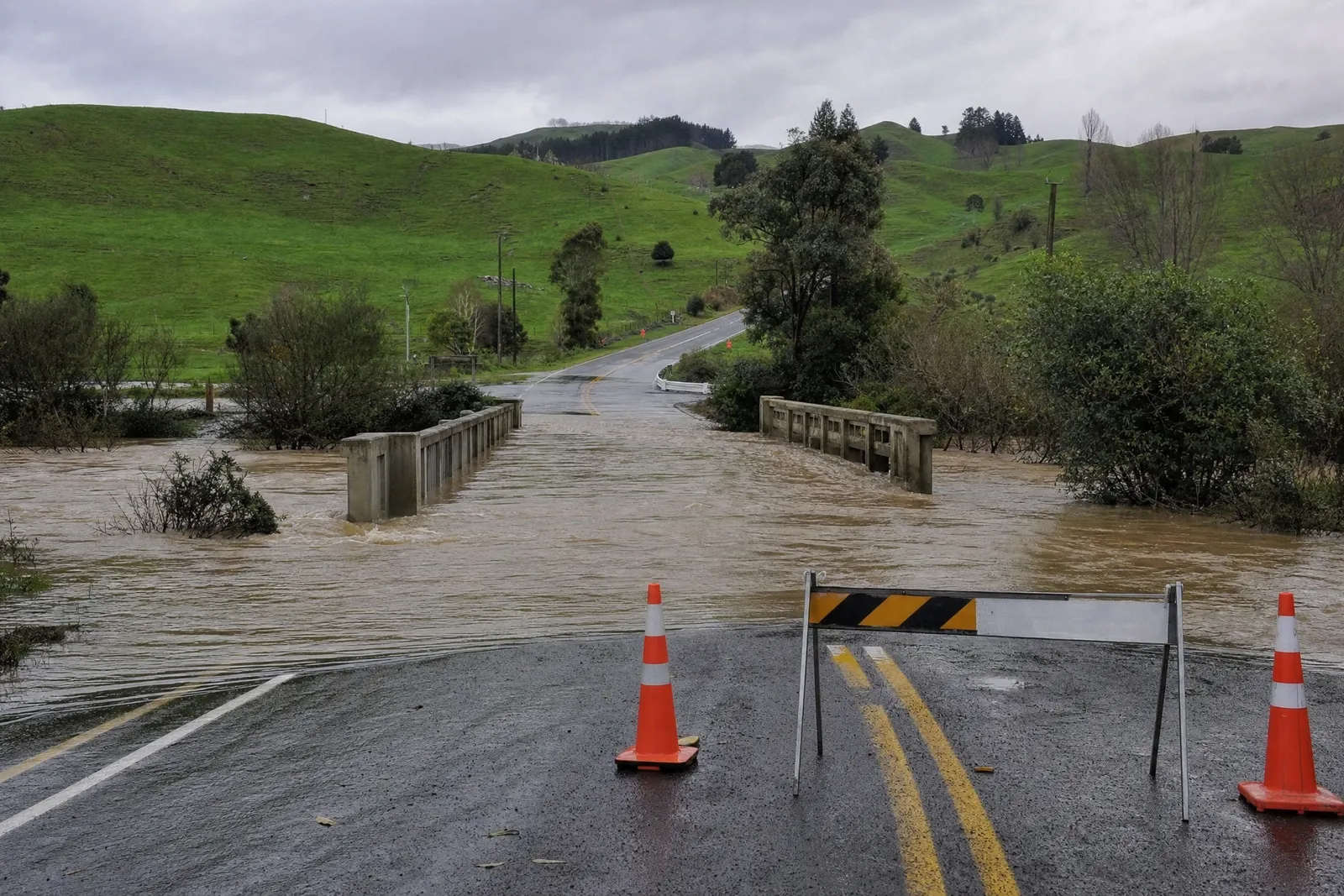 Willowdale Council
If the Chief Archivist asks me are we compliant, I can say with certainty, ‘Yes, we are compliant.’
Councillors and mayors using Facebook pages or Instagram in their official role are creating content that can be subject to the Public Records Act 2005. Onboarding after members are sworn in is the natural moment to connect their accounts — and with Brolly groups, each member administers their own sub-account while the council keeps oversight and can export across all of them.

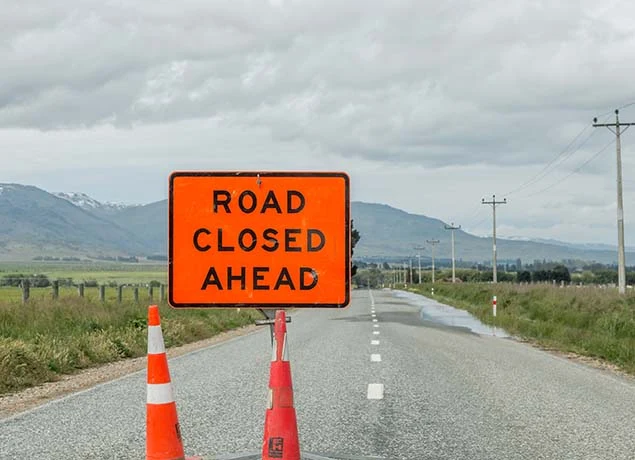
During storms, floods and other emergencies, official channels carry road closures, safety advice and service updates that change by the hour. Brolly captures each version and the public conversation around it as it happens, so your team can focus on keeping the community informed — and the chronology is there for the debrief or the inquiry that follows.
Source: Public Records Act 2005 (NZ) · Archives New Zealand (Te Rua Mahara o te Kāwanatanga): Text messages and other communications guidance
Source: Official Information Act 1982 (NZ) · Office of the Ombudsman (Tari o te Kaitiaki Mana Tangata)
Source: Public Records Act 2005 (NZ) · Archives New Zealand (Te Rua Mahara o te Kāwanatanga): Text messages and other communications guidance
Source: Official Information Act 1982 (NZ) · Office of the Ombudsman (Tari o te Kaitiaki Mana Tangata)
See capture, search and export on your own NZ channels in a 20-minute walkthrough. Records teams welcome.
Get a demo
Pick a time that suits you — we'll walk through capture, search and export on your own channels.