Social media archiving for Indiana government

Indiana response times depend on how the request arrives.

Respond within 24 hours to in-person, telephone or enhanced-access requests, and within seven calendar days to mailed, faxed or emailed requests. Those are response deadlines; production follows within a reasonable time. Brolly keeps supported social records searchable across both paths.
Supported posts, comments, edits & deletions · Search & export · Metadata & audit trail
State agenciesCounties & citiesSchool districtsSpecial districts
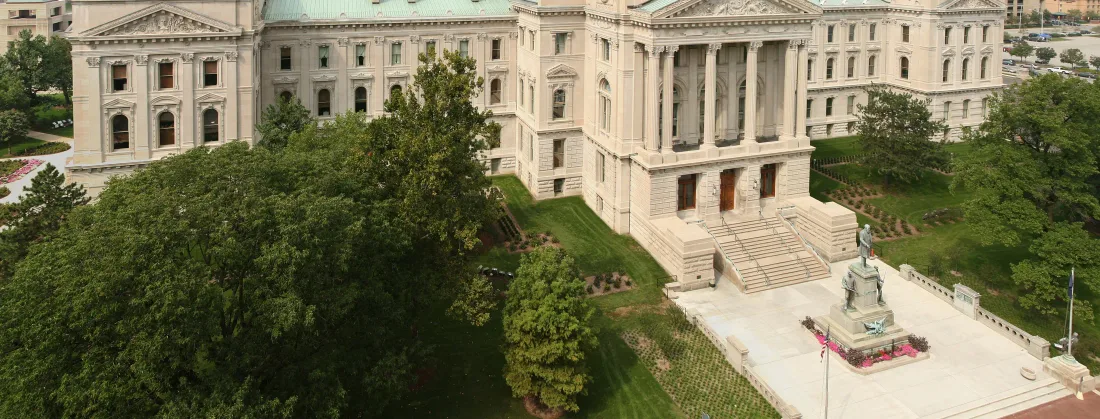
The Indiana Statehouse in Indianapolis
Indianapolis, Indiana · Photo: Daniel Schwen and Massimo Catarinella, CC BY-SA 3.0
The Deadline

A request lands Monday morning.
What happens next?

Manual methods like screenshots miss metadata, timestamps, edits and deletions — and manual retrieval makes each required action harder to complete inside its window.

24hIn personRespond to an in-person, telephone or enhanced-access request within 24 hours.
7By mail or emailRespond to a mailed, faxed or emailed request within 7 calendar days.
ProduceThese are response deadlines — production follows within a reasonable time.
The statute defines required actions and when each falls due — not a single production deadline. With Brolly, the searching and compiling become one afternoon.
The Law

Why compliance matters in Indiana.

Social media content created or received in the course of official business can be a public record in Indiana. Here is what defines your obligation:

Statute

Access to Public Records Act (APRA)

Ind. Code § 5-14-3 — defines public records by content rather than medium. Posts, comments, replies, edits and deletions created or received in the course of official business can qualify.

Ind. Code § 5-14-3-9(b)–(c): Respond to an in-person, telephone or enhanced-access request within 24 hours, and to a mailed, faxed or emailed request within 7 calendar days. This is a response deadline, not a production deadline: records must then be produced within a reasonable time (Ind. Code §§ 5-14-3-9(b)–(c), 5-14-3-3(b)).

Oversight

Indiana Public Access Counselor

The Indiana Public Access Counselor issues advisory opinions on public-access disputes — an accessible review of your records practices before any court is involved. Official page.

Transparency

Indiana Open Door Law

Ind. Code § 5-14-1.5 demands openness and accountability in how public bodies meet and decide. Open-meetings duties are a separate layer from records law — and a timestamped record of what your agency publishes helps you answer questions under both.

Scope

Social media records may include

Depending on content and context — with metadata and timestamps intact, including material edited or deleted after posting:

PostsComments & repliesReactionsEditsDeletionsImages & videoDirect messages

What is producible in a given request depends on the record's content and the exemptions your state applies.

Case law

Comment moderation: Seventh Circuit case law

Krasno v. Mnookin (7th Cir. 2025) held that a public institution’s interactive comment threads were limited public forums, so comment rules must be reasonable and viewpoint neutral. Schulte v. Leners (7th Cir. 2026), a Wisconsin case, denied qualified immunity where comments were deleted by viewpoint with no policy in place. Both bind federal courts in Indiana as Seventh Circuit precedent.

Neither decision requires archiving. A contemporaneous archive is evidence: it helps show what was posted, what policy existed and how comments were moderated. Read the national moderation guide.

Primary sources: Ind. Code §§ 5-14-3-9(b)–(c), 5-14-3-3(b) — PAC Handbook pp. 13–14 · IARA Social Media Best Practices, “Archiving”

Manual methods vs. Brolly

What your agency needs
Screenshots & exports
Brolly
Capture comments & replies as they happen
Only what staff remember to save
Automatic capture across supported channels
Preserve edits & deletions
Gone before anyone notices
Full version history retained
Metadata & timestamps
Stripped by screenshots
Kept in full; exports checksummed
Respond inside the statutory window
Days of cross-platform scrambling
Saved search → export in minutes
Defensible in court or under audit
Unverifiable provenance
Immutable records + audit logs
See It In Action

The record is already there.

“A delight to use,” says one verified G2 review — this is the screen your records officer gets: search the archive, open the record, step through every captured version, and export.

One post, start to finish

One official update. Its captured history beside it.

This is how simple it is in Brolly: the original post, its edited versions and the surrounding public comments, reviewed together.

01
Your agency publishes

A connected official account posts an emergency update as the situation develops.

02
The post is edited

Opening time and access details change — each captured version is retained with its timestamp.

03
A request arrives

Your team searches, reviews the chronology and exports it — checksums, audit logs and integrity evidence attached.

Brolly Archive

Archive feed

Captured posts and conversations from connected accounts
All networksAll accountsAll dates12 captured posts
4281.2k
86244.1k
Edited
61122.8k
Post Inspector
3 versions
Storm shelter update: The community center opens at 8 p.m. 6 p.m. tonight. Bring ID and essential medication. Accessible entrance on Cedar Street.
♡ 86 ◯ 24 ◉ 4.1k ◉ 6.7k
Demonstration export prepared

Access control & audit logs

Clerks, counsel and records officers each get the access they need — and every export is logged.

Images, video & links

Media and link previews are captured with the post, so the record shows what residents actually saw.

Structured exports

PDF, CSV, HTML or JSON with timestamps and checksums attached — ready for a requester or counsel.

Free download Indiana — Archiving Social Media: A Guide For Government
The Guide

Download the free Indiana
Social Media Legislation Guide.

Social media comes with legal responsibilities. This free guide brings together the key federal and Indiana legislation in one easy-to-read reference — helping your agency understand its obligations and manage social media records with confidence.

Federal & Indiana legislation, side by side Public records obligations explained in plain English Bonus compliance checklist inside Updated August 2026

PDF · no credit card · straight to your inbox
Built For

Every Indiana public body.

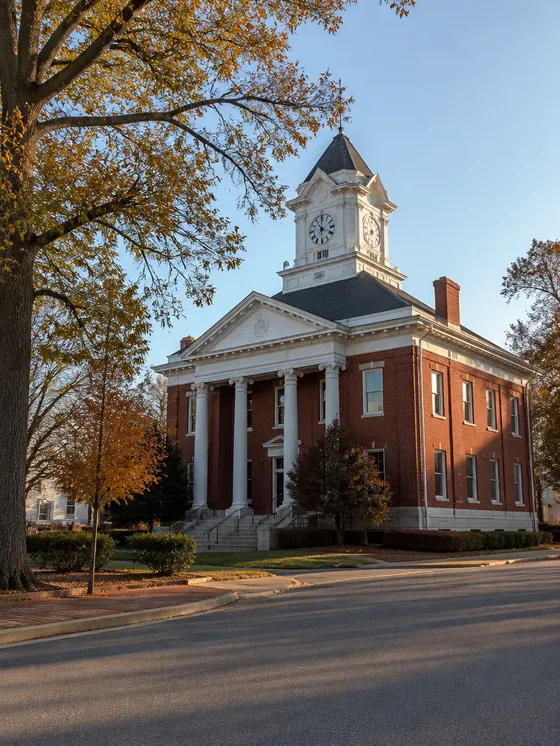
County courthouse with clock tower

Counties

Sheriff's offices, clerks, mayors, highway departments, election commissions — every official account, one archive.

  • County-wide multi-account capture
  • Records-officer-ready export workflows
  • Records retained until disposition is authorized under state records law
A fire engine in a city fire station

Cities & Municipalities

From metro communications teams to a single town clerk running two Facebook pages — sized and priced accordingly.
  • Police, fire, parks, utilities covered
  • Emergency-communication preservation
  • Setup in minutes
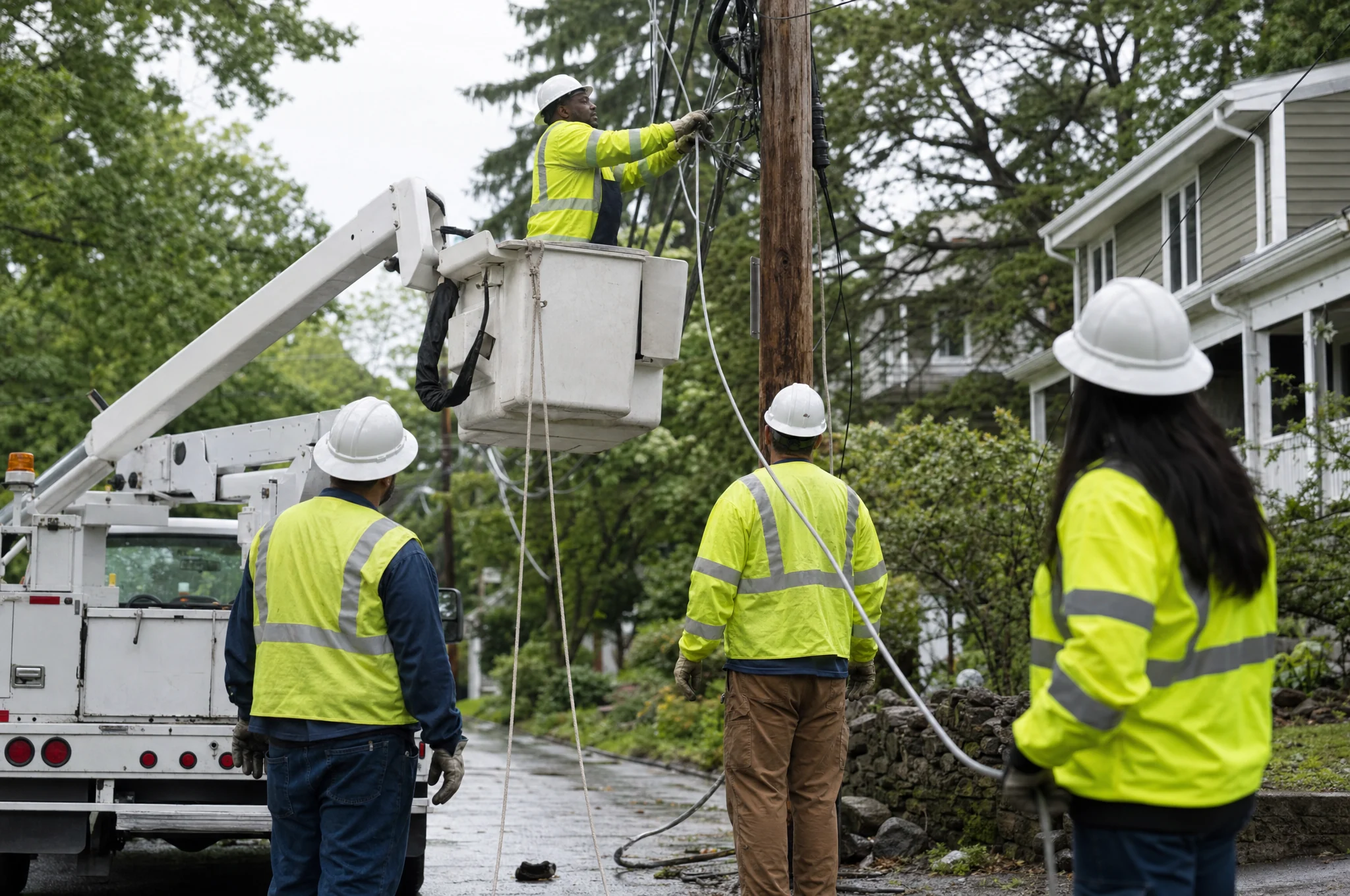
A utility crew restoring service from a bucket truck

Public Agencies

School districts, utility districts, transit authorities, housing authorities and boards — all subject to the APRA.

  • Board & superintendent accounts
  • Public comment threads on record
  • Request-ready exports on demand
The Reference Layer

Asked by clerks, records officers and agency attorneys.

Plain-English answers with statutory citations — the details your counsel will ask about. General information, not legal advice.

The obligation

Are Indiana government social media posts public records?
Content created or received by an Indiana public agency in connection with official business may qualify as a public record under the Access to Public Records Act (APRA), whether it appears in email, a document or a social media platform. Content and context matter, and statutory exceptions may apply, so agencies should follow their records policies and obtain legal guidance for specific requests.
What does the 7-calendar-day rule require?
Respond to an in-person, telephone or enhanced-access request within 24 hours, and to a mailed, faxed or emailed request within 7 calendar days. This is a response deadline, not a production deadline: records must then be produced within a reasonable time (Ind. Code §§ 5-14-3-9(b)–(c), 5-14-3-3(b)). Missing the required action can trigger an appeal, complaint or court challenge, so agencies should confirm current procedures with legal counsel and be ready to produce.
What happens if we can't produce a requested record?
Records that were edited or deleted before anyone captured them can't be produced at all — which is why capture has to precede the request. If a request is refused, Indiana access disputes can be raised with the Indiana Public Access Counselor and, ultimately, the courts, so agencies should be able to show a complete, defensible record of what was published.
How does the Indiana Open Door Law relate to our social media?
Open-meetings duties are a separate layer from records law. Ordinary resident comments aren't a meeting of your governing body — but when members themselves discuss public business in comment threads, questions can arise under both laws, and a timestamped record of what your agency publishes helps you answer them.

What counts as a record

Do citizen comments on our official pages count?
Generally, records received in the course of official business fall within scope — which can include comments and replies on official accounts, even ones citizens later delete. That's why capture must happen in real time.
Do edited or deleted posts still have to be produced?
A record doesn't stop being a record because it was edited or removed from the live page. If content was made or received in official business, each captured version, with its timestamps, can be part of what your agency needs to produce.
Can direct messages be public records?
They can be. The Access to Public Records Act (APRA) defines public records by content rather than medium, so a message sent or received in the course of official business can fall within scope even in a private inbox. Whether specific messages are producible or exempt is a determination for your counsel.
What about an official's personal account?
Content follows function, not the account label: a personal account used to conduct official business can create public records. The safest policy routes official business through official accounts — and keeps those accounts on the record.

Retention

How long do we have to keep social media records?
Indiana's official guidance treats retention as content-driven: social media content follows the schedule that applies to its substance rather than a single fixed period. Brolly retains records for the period you configure, so your archive can match your approved schedules.

Working with Brolly

We already take screenshots. Isn't that enough?
Screenshots miss metadata, timestamps, edit history and deletions — and can't prove they haven't been altered. Brolly's records carry audit logs, and exports carry digital checksums, designed to survive legal scrutiny.
Which platforms does Brolly archive?
Facebook, Instagram, Threads, X, YouTube, LinkedIn and TikTok — captured automatically through official platform APIs from connected accounts.
Who in our organization uses Brolly?
Typically your records custodian, clerk or records staff handle search and export; communications teams use capture and moderation day-to-day; agency attorneys pull audit logs when litigation or records disputes arise.
How quickly can an Indiana agency get started?
Minutes: connect your accounts, confirm retention settings, and capture begins immediately. There's a free trial, and pricing scales from single-clerk towns to county-wide deployments.
Will Brolly pass our procurement and security review?
Brolly is ISO/IEC 27001:2022 certified and CSA STAR registered, with controls aligned to NIST SP 800-53. Records are encrypted in transit and at rest, with audit logs on every record and digital checksums on every export.

Primary source: Indiana Public Access Counselor · Ind. Code § 5-14-3 · Last reviewed against primary sources: 2026-08-28 · General information, not legal advice

Trusted by government

Compliance made easy.
Insights made actionable.
Communities made safer.
That’s Brolly.

Purpose-built for government. Trusted by teams that protect and serve.

5.0 out of 5 starsRated on G2 by verified users
A smiling government records officer working at a laptop

“Brolly: The total package for documentation and archiving.”

Brolly is a vital tool for our organization and is the total package for documentation and archiving needs.

From a verified G2 reviewVerified User in US Government Administration
Trust

Security your procurement team can sign off on.

Brolly is ISO/IEC 27001:2022 certified and CSA STAR registered, with controls aligned to NIST SP 800-53. Records are encrypted in transit and at rest, with audit logs on every record and digital checksums on every export.

ISO/IEC 27001:2022Certified information security management system.
CSA STAR registeredListed on the Cloud Security Alliance STAR registry.
NIST SP 800-53 alignedControls aligned for public-sector security review.
Encrypted everywhereAES-256 at rest, TLS 1.3+ in transit.
99.9% uptime SLAAvailability commitment in the service agreement.
MFA & role-based accessAccess scoped to your team, with activity logged.

See how easy APRA compliance can be.

Every day your public sector organization communicates on social media, you're creating public records. Are you confident you could produce them tomorrow?

Comply with APRA requirements Protect against reputational & legal risk Deliver faster, more efficient public service

A 20-minute walkthrough of Brolly — no obligation. Setup takes minutes.

Consultation is free, no commitment — records officers welcome.