
WWillowdale City Council
4281.2k
Social media archiving for Alabama government
For an Alabama resident’s proper standard request, acknowledge within 10 business days and provide a substantive response within 15 business days after acknowledgment. Time-intensive requests follow different rules. Brolly keeps supported social records searchable across either path, with metadata ready for review and export.
Manual methods like screenshots miss metadata, timestamps, edits and deletions — and manual retrieval makes it harder to provide a complete substantive response within the applicable window.
The statutory procedure may apply differently to particular local bodies. Agencies should confirm their applicable procedure with counsel.
Social media content created or received in the course of official business can be a public record in Alabama. Here is what defines your obligation:
Code of Ala. § 36-12-40 et seq.; § 41-13-1 — defines public records by content rather than medium. Posts, comments, replies, edits and deletions created or received in the course of official business can qualify.
Code of Ala. § 36-12-44: A public officer must acknowledge a proper standard request within 10 business days and provide a substantive response within 15 business days of acknowledging receipt: fulfilling or denying the request, arranging access, or setting fees. The period is extendable in 15-business-day increments on written notice, and no substantive response within the earlier of 30 business or 60 calendar days after acknowledgment is presumed a denial. A standard request is one the officer determines would take less than eight hours of staff time to process; the right belongs to Alabama residents, and different, longer periods apply to time-intensive requests.
Alabama has no dedicated records ombudsman. Access disputes may ultimately be resolved in court, increasing the cost and risk of an incomplete or poorly documented records process.
Code of Ala. § 36-25A-1 et seq. demands openness and accountability in how public bodies meet and decide. Open-meetings duties are a separate layer from records law — and a timestamped record of what your agency publishes helps you answer questions under both.
Depending on content and context — with metadata and timestamps intact, including material edited or deleted after posting:
What is producible in a given request depends on the record's content and the exemptions your state applies.
Primary sources: ADAH RDA finder (schedules for all entity types) · Code of Ala. § 36-12-44 (official code, ALISON) · ORA §§ 36-12-40 to 36-12-46 compiled text (unofficial CCR compilation) · Act 2024-278 (SB270, enrolled — historical text; the codified § 36-12-44 controls and uses business days) · ADAH records disposition authority (municipal example; item 18.18)
“A delight to use,” says one verified G2 review — this is the screen your records officer gets: search the archive, open the record, step through every captured version, and export.
This is how simple it is in Brolly: the original post, its edited versions and the surrounding public comments, reviewed together.
A connected official account posts an emergency update as the situation develops.
Opening time and access details change — each captured version is retained with its timestamp.
Your team searches, reviews the chronology and exports it — checksums, audit logs and integrity evidence attached.
Captured posts and conversations from connected accounts




Clerks, counsel and records officers each get the access they need — and every export is logged.
Media and link previews are captured with the post, so the record shows what residents actually saw.
PDF, CSV, HTML or JSON with timestamps and checksums attached — ready for a requester or counsel.

Social media comes with legal responsibilities. This free guide brings together the key federal and Alabama legislation in one easy-to-read reference — helping your agency understand its obligations and manage social media records with confidence.
PDF · no credit card · straight to your inbox
Sheriff's offices, clerks, mayors, highway departments, election commissions — every official account, one archive.

From metro communications teams to a single town clerk running two Facebook pages — sized and priced accordingly.
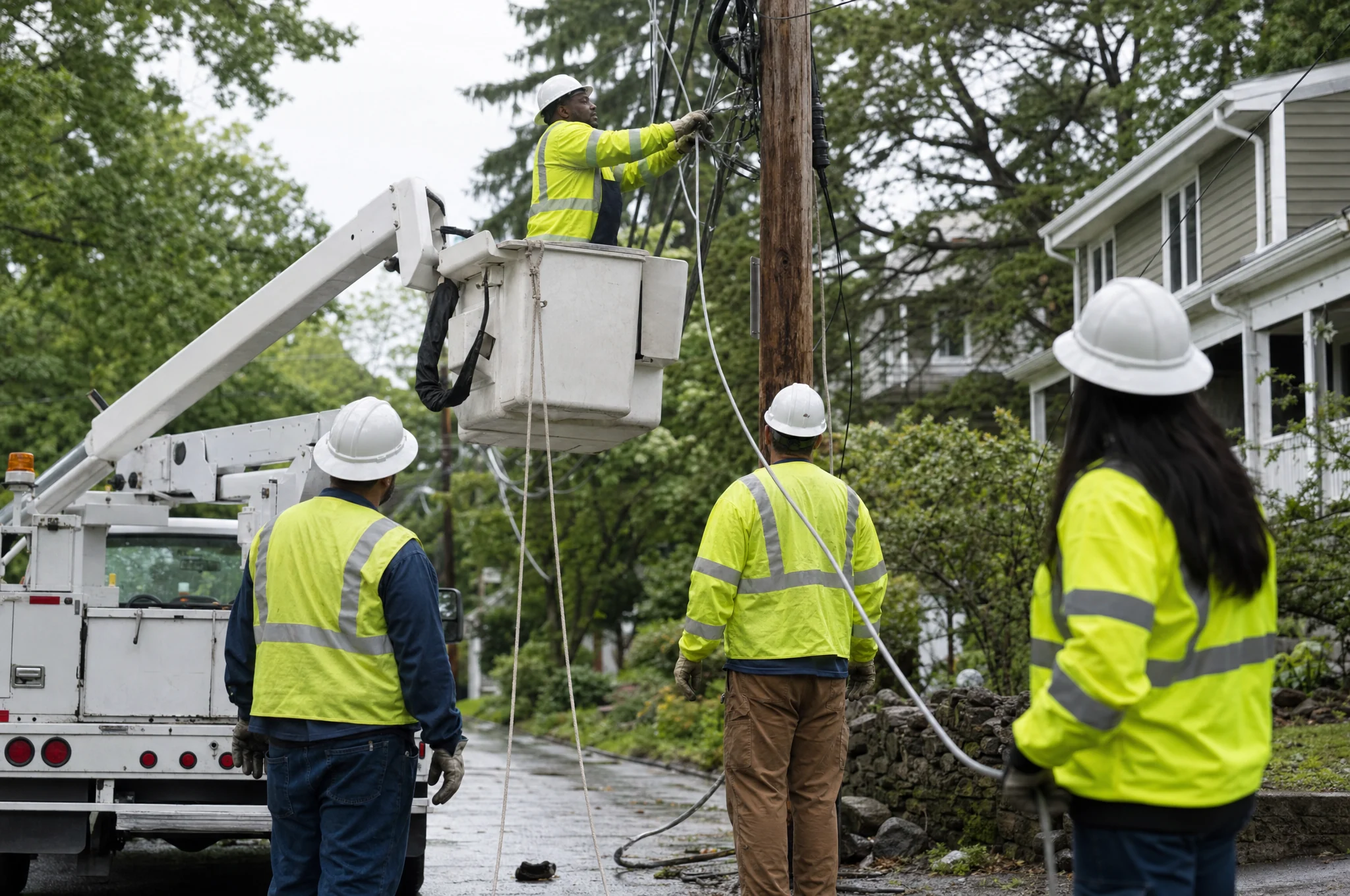
School districts, utility districts, transit authorities, housing authorities and boards — all subject to the Alabama Public Records Law.
Plain-English answers with statutory citations — the details your counsel will ask about. General information, not legal advice.
Primary source: Code of Ala. § 36-12-40 et seq.; § 41-13-1 · Last reviewed against primary sources: 2026-08-28 · General information, not legal advice
Purpose-built for government. Trusted by teams that protect and serve.

Brolly is a vital tool for our organization and is the total package for documentation and archiving needs.
Brolly is ISO/IEC 27001:2022 certified and CSA STAR registered, with controls aligned to NIST SP 800-53. Records are encrypted in transit and at rest, with audit logs on every record and digital checksums on every export.
State-by-state guidance on social media archiving laws for government agencies.
Borders Alabama
All states
Every day your public sector organization communicates on social media, you're creating public records. Are you confident you could produce them tomorrow?
A 20-minute walkthrough of Brolly — no obligation. Setup takes minutes.
Consultation is free, no commitment — records officers welcome.
Get a demo
Pick a time that suits you — we'll walk through capture, search and export on your own channels.